Legal gambling age in KR: 18
Best Online Casinos - South Korea
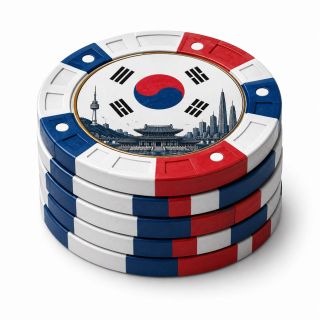
South Korea has one of the most technologically advanced societies in the world, and this digital-first culture has influenced the gambling industry. High-speed internet, widespread smartphone use, and a strong gaming culture have all contributed to growing interest in online gambling platforms among local players. While the country is better known internationally for esports, entertainment, and innovative technology, gambling has also become part of the wider conversation around digital leisure and online spending habits. At the same time, South Korea remains a country with strong cultural attitudes toward risk, regulation, and social responsibility. Gambling has historically been viewed with caution, yet interest in betting, card games, sports predictions, and online gaming communities continues to attract attention from both locals and visitors. Younger adults, particularly those familiar with mobile gaming and online payments, are increasingly exploring international platforms that provide access to modern gambling experiences. The market is also shaped by South Korea’s global connections. International operators recognise the country as an attractive audience. This has encouraged many global platforms to provide Korean-language support, mobile-friendly services, and fast payment systems tailored to local preferences. Here are a few interesting facts about gambling in South Korea:
- South Korea is home to Kangwon Land, one of the most well-known gambling resorts in East Asia and a major tourist attraction in Gangwon Province.
- Traditional Korean card games such as Hwatu have influenced modern online gambling culture and remain culturally recognisable among many players.
- Major international sporting events, especially football and baseball tournaments, tend to create noticeable spikes in betting activity among Korean audiences.
- South Korean players prefer fast-paced content, which is why live dealer games and instant-play formats have become increasingly popular.
This article was created to give South Korean players a practical overview of the online gambling landscape. In the sections ahead, we will explore how the industry operates, what players should know before joining international platforms, and which trends are shaping the future of online gambling in South Korea.
Rocket Play Casino
Players residing in your country are accepted. Click the icon to play.

 Read casino Review
-
200%
€ 200Welcome bonus. Click the icon to claim.
- Instant-Play Sofware:
7Rings Gaming
Blaze Spins Casino
Players residing in your country are accepted. Click the icon to play.
 Read casino Review
-
88%
$ 1000Welcome bonus. Click the icon to claim.
- Instant-Play Sofware:
Turbo Games
Limitless Casino
Players residing in your country are accepted. Click the icon to play.
Check all owners
 Read casino Review
-
777%
UnlimWelcome bonus. Click the icon to claim.
- Instant-Play Sofware:
Realtime Gaming, SpinLogic Gaming
MondCasino
Players residing in your country are accepted. Click the icon to play.
 Read casino Review
-
100%
€ 200Welcome bonus. Click the icon to claim.
Min deposit: 20 €/$. Max bet: 4 €/$. Any Deposit Bonus from Welcome offer is active for 7 days from the moment it has been claimed. Max cashout: 20 x deposit amount. The following games are excluded from the bonus promotion offer: See website for list of online slots. - Instant-Play Sofware:
Net Entertainment, Thunderkick, Yggdrasil Gaming, Microgaming, Evolution Gaming + 51 more providers
Spin Dimension Casino
Players residing in your country are accepted. Click the icon to play.
 Read casino Review
-
500%
$ 500Welcome bonus. Click the icon to claim.
New Customer Offer. T&C’s Apply. 18+. Min deposit: $25. The maximum bet size permitted with an active welcome match offer is $10. Max Cashout: 10x Deposit. Claimable once. - Instant-Play Sofware:
BetSoft, Rival, Saucify, Qora Games, Vivo Gaming + 4 more providers
Tsars Casino
Players residing in your country are accepted. Click the icon to play.
 Read casino Review
-
100%
€ 300Welcome bonus. Click the icon to claim.
- Instant-Play Sofware:
PearFiction Studios, Evolution Gaming
Lucky Emperor Casino
Players residing in your country are accepted. Click the icon to play.
 Read casino Review
-
100%
€ 100Welcome bonus. Click the icon to claim.
- Downloadable Software: Microgaming
Instant-Play Software: Microgaming, Games Global
EVERYGAME Casino
Players residing in your country are accepted. Click the icon to play.
 Read casino Review
-
150%
€ 1500Welcome bonus. Click the icon to claim.
- Instant-Play Sofware:
Realtime Gaming
EVERYGAME Casino Classic
Players residing in your country are accepted. Click the icon to play.
 Read casino Review
-
100%
€ 100Welcome bonus. Click the icon to claim.
- Instant-Play Sofware:
Realtime Gaming
SirWin Casino
Players residing in your country are accepted. Korean version is available. Click the icon to play.
 Read casino Review
-
100%
$ 1000Welcome bonus. Click the icon to claim.
- Instant-Play Sofware:
Novomatic, Net Entertainment, Thunderkick, Yggdrasil Gaming, Playn GO + 44 more providers
Legal Status for South Korean Players and Casinos
South Korea occupies a unique position within the Asian gambling landscape. Compared to regional neighbours, the country follows a far more restrictive approach than destinations such as the Philippines, Macau in China, or Singapore, yet it is more structured and commercially developed than several Asian markets where gambling opportunities remain extremely limited for local residents (one such example is Indonesia).
Across Asia, governments have taken very different approaches to gambling regulation. We’ve already mentioned Macau with its economy built around large-scale casino tourism. Singapore introduced tightly controlled integrated resorts with strict entry systems and social safeguards. The Philippines embraced offshore online operators and developed one of Asia’s largest remote gambling industries. Japan, meanwhile, has only recently moved toward integrated resorts after decades of debate.
South Korea sits somewhere between these models. The country allows regulated gambling activities under strict government oversight, but expansion has remained carefully controlled. The country has established regulatory agencies, taxation structures, responsible gambling programmes, and strict operational rules that place it among the more organised gambling markets in East Asia.
Where South Korea arguably lags behind some regional competitors is in online regulation. While countries such as the Philippines developed formal systems for online operators and Singapore created tightly supervised digital betting channels, South Korea has maintained a conservative stance toward online gambling. This has pushed many players toward offshore platforms instead of locally regulated alternatives. Critics argue that this approach limits consumer protection because international sites remain easier to access than fully licensed domestic options. Supporters, however, believe the strict model helps control the industry.
Is gambling legal in South Korea?
Offline gambling is legal in the country, but only within tightly defined categories and under heavy state supervision. The legal framework began taking shape during the 1960s and 1970s, when horse racing, lotteries, and other state-controlled betting activities were formally authorised. The modern casino industry later expanded during the 1990s as the government sought to boost tourism and attract foreign visitors.
Today, several forms of gambling are legally permitted. These include horse racing, cycling betting, boat racing, lotteries, sports betting, and licensed casinos. Many casinos are reserved exclusively for foreign visitors, making South Korea different from many global gambling destinations. The major exception is Kangwon Land, which opened in 2000 and allows South Korean citizens to gamble legally inside the venue.
Oversight is divided between multiple government agencies depending on the gambling sector involved. The Ministry of Culture, Sports and Tourism plays a central role in casino licensing and tourism policy, while the National Gambling Control Commission coordinates broader oversight and responsible gambling measures. Sports betting and racing sectors are supervised through separate state-linked authorities.
Obtaining a gambling licence in South Korea is extremely difficult. Operators must meet strict financial, security, and compliance requirements, and approvals often involve extensive government review. Casino licences are generally tied to tourism development projects and major resort investments rather than standalone gaming businesses.
Is online gambling legal in South Korea?
The government permits only a limited number of state-approved online betting services, mainly connected to sports betting and lotteries. Outside these niches, online casino-style gambling is not locally licensed under South Korean law.
The country’s internet gambling restrictions became stricter during the 2000s as digital betting platforms expanded rapidly across Asia. Authorities increased monitoring systems, website blocking efforts, and enforcement campaigns targeting illegal operators. The Korea Communications Standards Commission also plays a role in restricting access to unlicensed gambling websites.
Despite these restrictions, international gambling platforms remain widely accessible to South Korean players. These online operators are not licensed domestically, but many hold recognised licences from overseas jurisdictions. Because they operate under international regulatory systems, they often provide stronger player protections than unregulated underground markets.
Licensed offshore platforms typically offer encrypted payments, identity verification tools, responsible gambling features, audited games from trusted software developers, and multilingual customer support. For players choosing to explore international sites, regulated operators with transparent licensing and established reputations are generally viewed as the recommended option available outside the local system.
| Name | Allowed Casinos | Friendly Casinos | Targeted Casinos | Land-based | Online operator | Online player | ISP Blocks | Bank Blocks | Notes | Sources | Score |
|---|---|---|---|---|---|---|---|---|---|---|---|
| South Korea | 1030 | 64 | 4 | Legal in limited localities only | Completely banned | Criminal penalty for players | Some casinos blocked | Unknown | Koreans are not allowed to gamble in any casinos other than the one in Kangwon Island. Foreigners may gamble in a variety of casinos located in most major tourist cities.
Koreans are not allowed to gamble in any casinos other than the one in Kangwon Island. Foreigners may gamble in a variety of casinos located in most major tourist cities.
|
-
The purpose of this law is based on the composition of the gaming industry, and to improve the quality of people's cultural life and development of the national economy by establishing a healthy game culture of the people of the appointed Game Industry Promotion and instructions on how to use the geimmul made for the purpose of setting contribute.
Article 247 (Setting up Places for Gambling, etc.)
A person who, for gain, sets up a place or space for gambling shall be punished by imprisonment for not more than five years, or by a fine not exceeding thirty million won. [This Article Wholly Amended by Act No. 11731, Apr. 5, 2013]
Article 249 (Concurrent Imposition of Fines)
A fine not exceeding ten million won may be concurrently imposed for a crime prescribed in Article 246 (2), 247, or 248 (1). [This Article Wholly Amended by Act No. 11731, Apr. 5, 2013]
Article 246 (Gambling and Habitual Gambling)
(1) A person who commits the offense of gambling shall be punished by a fine not exceeding ten million won: Provided, That gambling for a mere pastime shall be exonerated from the punishment.
(2) A person who habitually commits the crime of paragraph (1) shall be punished by imprisonment for not more than three years, or by a fine not exceeding twenty million won. [This Article Wholly Amended by Act No. 11731, Apr. 5, 2013]
Article 249 (Concurrent Imposition of Fines)
A fine not exceeding ten million won may be concurrently imposed for a crime prescribed in Article 246 (2), 247, or 248 (1). [This Article Wholly Amended by Act No. 11731, Apr. 5, 2013]
"However, with the charge of criminal group organization, the operators will be subject to harsher punishments of up to life sentences," an official of the National Police Agency said.
Isp Blocks
The new measures will apply to 895 foreign websites that are linked to porn, gambling or copyright infringement.
|
446
Gambling Availability Score 446. Ranked 223 of 531 |
Banking in South Korea
Banking is one of the biggest factors shaping the online gambling experience in South Korea. A platform may offer excellent games and attractive promotions, but if deposits are slow or withdrawals become complicated, players quickly lose interest. Payment options are often the first thing experienced users examine before registering with a site.
Consumers in South Korea are used to instant mobile transfers, cashless purchases, and highly efficient online banking. This has influenced gambling preferences as well. Most South Korean players still prefer traditional fiat payment methods because they are stable and integrated into everyday financial life. Credit and debit cards remain widely used, especially Visa and Mastercard.
Several domestic payment services dominate South Korea’s online economy. KakaoPay, Naver Pay, Samsung Pay, and direct bank transfers are among the most recognised methods nationwide. However, availability of these payment methods across international gambling platforms varies. Some gaming lobbies support Korean bank transfers directly through third-party payment processors, while others focus mainly on cards, e-wallets, or cryptocurrency.
Therefore, cryptocurrency is becoming increasingly popular among younger players and more experienced online gamblers. South Korea already has one of the world’s most active crypto trading communities, which naturally supports interest in Bitcoin, Ethereum, and stablecoin payments on gambling sites. Crypto offers advantages such as fast international transfers, fewer banking restrictions, and added privacy. Transactions are often processed much faster than traditional cross-border withdrawals.
Exchange-rate volatility remains the biggest drawback of crypto gambling, especially for casual users. As a result, the South Korean market currently reflects a balanced mix: traditional banking for convenience and trust, with cryptocurrency steadily growing among digital-first players looking for speed and flexibility.


What is important to highlight for beginners
South Korea is an interesting economy to explor because it combines heavy industry, advanced technology, and global cultural exports in a way few Asian countries can match. In recent years, its GDP stood at around $1.88 trillion, making it the world’s 12th-largest economy and one of the strongest high-income nations in the region. The country transformed itself within just a few decades, moving from post-war poverty in the 1950s to becoming a global leader in technology, manufacturing, and innovation.
This transformation was achieved through long-term industrial planning, major investments in education, and the rise of powerful conglomerates. Many local companies became internationally recognised brands and helped position South Korea as a manufacturing and export powerhouse. Today, exports remain the backbone of the economy, accounting for roughly 44% of national GDP.
Semiconductors are the single largest driver of the South Korean economy. The automotive sector is another giant contributor. Shipbuilding, petrochemicals, batteries, artificial intelligence technology, tourism, and financial services also play major roles. South Korea is additionally unique because of its cultural economy. K-pop, Korean cinema, esports, online gaming, and television dramas generate billions of dollars annually and significantly strengthen the country’s global influence.
This digital-first environment also affects gambling trends. South Korea has one of the world’s fastest internet infrastructures and one of Asia’s highest smartphone penetration rates. Mobile gaming is deeply embedded in daily life, especially among younger adults, and this has naturally increased interest in online betting platforms.
While gambling is not considered one of the country’s core economic drivers, this industry generates substantial revenue. A major share of this revenue comes from Kangwon Land, the country’s most famous gambling resort. Foreign-tourist casinos also contribute significantly, particularly in Seoul, Busan, and Jeju, where international visitors form a large part of the customer base. Tourism-linked gambling therefore plays a role in hospitality, hotel spending, transport, and entertainment services, even if it remains a secondary economic sector overall.
Demographic patterns show that gambling participation is strongest among men. Studies and treatment data consistently indicate that males form the majority of active participants, especially in sports betting and online gambling. People in their 20s and 30s represent the largest age groups engaging with digital gambling products, while older adults are more likely to participate in traditional betting forms such as horse racing or lotteries.
Local public debate increasingly focuses on hatching a plan to make the industry safer. Authorities are discussing stricter identity verification systems, stronger advertising controls, payment monitoring, and expanded responsible gambling education in schools and universities. Another major concern involves illegal online operators, which continue to target South Korean users despite regulatory restrictions.
The wider conversation reflects how that country embraces innovation, but it also places strong emphasis on social stability and public responsibility. Gambling therefore exists in a complicated space: it contributes revenue, tourism, and jobs, yet policymakers remain cautious about the social risks attached to rapid digital growth.
Popular South Korean Games
Among international platforms that welcome South Korean users, both slots and live dealer games perform strongly, but live gaming currently has a slight edge among more active players.
The popularity of live games comes from the social aspect. South Korea already has a massive online culture built around streaming, esports, multiplayer gaming, and real-time interaction. Live blackjack, baccarat, roulette, and sic bo fit naturally into this ecosystem. Baccarat is especially popular across East Asia and continues to attract many Korean players because of its simple rules and fast pace. Live blackjack also performs well among users who enjoy strategy-based gameplay.
Slots, however, remain extremely important, particularly among mobile users looking for shorter sessions. South Korean players generally prefer visually rich games with strong storytelling elements. Themes connected to mythology, fantasy worlds, martial arts, anime-inspired visuals, futuristic technology, and Asian culture perform especially well. Adventure-style slots and games with layered bonus rounds are also highly popular because they resemble the structure of modern video games.
Unlike many Western markets where European providers dominate almost entirely, South Korea shows stronger interest in Asia-based developers alongside international studios. Companies such as Spadegaming, CQ9 Gaming, and PG Soft have built strong reputations across Asian markets thanks to themes tailored to regional audiences. Their games often feature dragons, lucky symbols, historical warriors, and traditional festival preferred by Asian players.
European developers still hold a major position, especially companies like Pragmatic Play, Evolution, Playtech, and Play’n GO. Evolution is doing well in the live dealer segment with premium baccarat and roulette tables, while Pragmatic Play slots remain widely recognised for their bonus features.
Overall, while Asian content creators dominate the market, the community also welcomes international developers. Players in South Korea tend to favour entertainment that feels immersive and fast-moving, whether through cinematic slots or real-time live dealer experiences.
In American Roulette, there are 38 black and red slots that are numbered as 1-36, one zero, and a double zero, both of which are colored green
Bingo is a game of chance played with different randomly drawn numbers which the player matches against numbers on his 5×5 card.
New Online Casinos in South Korea
New online gambling platforms appear every month, and while this creates more choice for South Korean players, it also makes safety far more important . Some sites operate professionally with proper licensing and strong consumer protections, while others exist only to attract deposits without offering fair conditions. Because of this, experienced players often follow a simple “safety algorithm” before registering anywhere. The goal is to identify trusted operators and avoid unnecessary risks.
The first step is checking the licence. A reliable international platform should clearly display licensing details at the bottom of its homepage. The strongest reputations usually come from regulators in Malta, the Isle of Man, Gibraltar, or Curaçao. If licensing information is hidden or impossible to verify, that is usually the first warning sign.
The second step is reviewing payment security. Safe platforms use encrypted banking systems and partner with recognised payment providers. South Korean users should pay close attention to withdrawal policies, transaction speed, and identity verification requirements.
Third comes software quality. Established platforms work with recognised game developers. These providers test their games through independent auditing laboratories to ensure fair results and random outcomes. Reputation also matters. A strong history of payouts, transparent terms, and consistent customer service usually says more about a platform than aggressive advertising campaigns.
For South Korean players, the safest approach is combining all these checks before depositing money. A licensed site with secure payments, respected software partners, transparent policies, and responsible gambling tools is generally far safer than unregulated alternatives.
This is also where our database becomes valuable. Our team regularly monitors the international gambling industry, tracks newly launched operators, and reviews licensing updates across major jurisdictions. We examine platforms in detail before recommending them, focusing on regulation, player safety, banking reliability, game quality, and overall reputation. The goal is to help South Korean players discover trustworthy international sites without wasting time on unreliable operators.
FREQUENTLY ASKED QUESTIONS
Do South Korean players pay taxes on gambling winnings?
Taxation depends heavily on the type of gambling activity and where the winnings come from. Domestic gambling activities such as lotteries, horse racing, and regulated betting products may already include taxation structures within payouts. Large winnings can also trigger additional tax obligations depending on the amount and source.
For international online gambling platforms, the situation is less clear because offshore operators are not regulated locally. Players should keep records of deposits, withdrawals, and transaction histories, especially for larger amounts. Anyone gambling regularly or moving significant sums through international payment systems should consider professional financial advice to avoid unexpected issues related to reporting requirements or banking compliance.
How much do South Korean players usually spend on online gambling?
Spending patterns vary widely depending on age and gambling style. Casual mobile users may spend relatively small amounts each month, often similar to entertainment or gaming subscriptions. More active sports bettors and live dealer players tend to spend considerably more. Setting monthly entertainment budgets is one of the safest long-term approaches for those focused on sorting their gambling-related spendings.
How often do South Korean players gamble online?
Frequency depends on the type of game. Slot players often prefer short daily sessions through mobile devices, while live dealer users tend to play less frequently but for longer periods. Sports betting activity usually increases around football, baseball, esports, and major international tournaments.
What is the best way to lose less money while gambling online?
The most effective strategy is treating gambling as entertainment rather than income. Players who approach games expecting profit usually end up taking bigger risks and chasing losses. Setting strict deposit limits before playing is one of the simplest and most effective protections.
Another useful approach is choosing games with lower house edges. Baccarat and blackjack generally offer better long-term odds than many slot games. For slots, lower volatility games can reduce rapid bankroll swings. Taking regular breaks also matters because emotional decision-making increases significantly during long sessions.
Are verification checks really necessary?
Yes, and reliable sites should always require them. Verification procedures help protect both the platform and the player from fraud, stolen payment methods, and identity theft. Legitimate operators usually request documents such as a passport or ID card, proof of address, and verification of payment ownership before allowing large withdrawals.
The safest approach is completing verification early rather than waiting until the first withdrawal request. Delays often happen because players ignore verification requirements during registration and only address them after winning money.
Do South Korean players use VPNs for gambling sites?
Some players use VPN services to improve privacy or access international platforms more easily. However, VPN use creates risks if it violates a platform’s terms and conditions. Certain operators may suspend accounts or delay withdrawals if they detect location inconsistencies during security checks.
A safer approach is choosing international platforms that already accept South Korean players. Transparency with the operator usually reduces future problems.
What should players do if a conflict with a gambling site happens?
The first step is always contacting customer support directly and keeping records of all conversations, payment confirmations, and screenshots. Most reputable operators have formal complaint procedures and dispute departments.
If the issue is not resolved, players should check which regulator licensed the platform. Well-regulated operators usually fall under jurisdictions that allow users to submit official complaints through independent mediation channels. This is one of the biggest advantages of licensed international sites compared to unregulated operators with no accountability.
What happens if withdrawals are delayed?
Withdrawal delays are not always signs of fraud. In many cases, the platform is completing identity checks, payment reviews, or anti-money laundering procedures. Delays are especially common after unusually large wins or changes in payment methods.
Are promotions and bonuses actually worth using?
They can provide good value, but only if players understand the conditions attached to them. Welcome bonuses, cashback offers, and casino spins often come with wagering requirements that must be completed before withdrawals are allowed. Many experienced players prefer smaller promotions with transparent rules instead of extremely large offers that are difficult to clear. Reading the bonus terms carefully is essential because restrictions on games, withdrawal caps, or time limits can significantly affect the real value of a promotion.
Is it worth aiming for loyalty programmes?
Loyalty programmes can offer useful benefits for regular players, including cashback, faster withdrawals, personal account managers, and exclusive promotions. However, chasing loyalty status purely for rewards often encourages overspending. The best approach is viewing such benefits as an extra perk rather than a target. Players who already gamble regularly may naturally benefit from these systems, but increasing spending solely to climb loyalty tiers rarely creates long-term value.
South Korea latest news

Vindral and Gaming Support Partner to Introduce GLI-Certified Green Wh...
Olga Li#GamingInnovations #SoftwareLab
Vindral and Gaming Support announced a technology partnership on 29 September 2026 to offer the first Green Wheel built on GLI-certified gaming hardware. The collaboration pairs Rotterdam-based equipment manufacturer Gaming Support with Swedish live video specialist Vindral, validating the certified physical equipment for use with Vindral’s V-Track Money Wheel system. Live casino hardware certification has increasingly become a significant barrier in studio production pipelines as operators demand regulated physical assets that can reliably support digitally enhanced game shows at scale. By combining GLI-validated hardware with real-time digital overlay technology, the agreement provides live studios with a certified physical foundation capable of hosting multiple branded wheel games from a single certified wheel structure.

In the world of slot mechanic: Link&Win - five card features and jackp...
Olga Li#GamingInnovations #SoftwareLab
Games Global and Stormcraft Studios announced the release of Immortal Romance ASSEMBL’EM on 30 September 2026, marking the latest extension of the long-running franchise Immortal Romance that originally debuted in 2011. Built on a 5×3 grid with 20 paylines, a 96% RTP, high volatility, and a maximum win potential of 5,000x, the slot introduces a new narrative character alongside the ASSEMBL’EM mechanic.
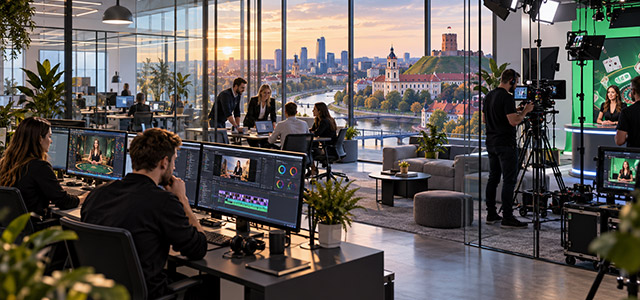
ICONIC21 Establishes New Production Hub and Regional Office in Vilnius
Olga LiLive casino content providers have accelerated studio expansion across Central and Eastern Europe as demand for dedicated and localised production capacity grows. Highlighting this trend, ICONIC21 announced on 1 September 2026 that it will open a new office and studio facility in Vilnius. In the local market context, the Lithuania Gaming Control Authority reported gross gambling revenue of €274.1 million in 2025, a 13% year-on-year increase. The upcoming facility will span more than 1,400 square metres across two full floors, combining studio space with administrative offices, while creating over 350 jobs.