Legal gambling age in LT: 18
Best Online Casinos - Lithuania
Lithuania sits toward the more tightly regulated end of Europe’s online and offline gambling spectrum. It has an established casino market and a dedicated supervisory authority, but the country has increasingly focused on stronger oversight, harm prevention and tighter controls around how gambling services reach consumers. This makes Lithuania quite different from highly liberal markets in the EU and beyond, where gambling is promoted more openly. At the same time, it is not a prohibition-based market: gambling remains a visible part of the country’s entertainment economy, and online activity has become particularly significant in recent years. Lithuania does not usually appear at the top of international lists of the world’s biggest gambling nations. Countries such as Australia tend to dominate comparisons based on losses per adult, while Lithuania represents a much smaller market in absolute terms. Nevertheless, domestic figures show substantial activity. Lithuania’s Gambling Supervisory Authority reported gross gambling revenue of €274.1 million last year, up 13% from the previous year. Remote gambling accounted for €202.4 million of that total, demonstrating how strongly the market has shifted toward digital channels.
- 55% of surveyed gamblers reported having gambled online.
- €274.1 million was generated in gross gambling revenue last year.
- €86.9 million in gambling and lottery taxes was paid into Lithuania’s state budget in the last year.
- 21 is the minimum age for most gambling in Lithuania, while participation in certain lottery products is subject to different age rules.
Participation is far from evenly distributed across the population. One of the surveys found that 12% of Lithuanian residents had gambled, with a considerable gender difference: 20% of men compared with 4% of women. Younger adults were also more likely to participate. Earlier research identified men aged 30–39 as a particularly prominent demographic. Spending does not necessarily involve large sums: another survey found that the most commonly reported expenditure during a single gambling session was up to €20. For complete newcomers, one of the most important things to understand is that gambling in Lithuania is increasingly digital. Online services now form the majority of the regulated market, while traditional venues remain part of the landscape. This also means that issues such as operator status, identity verification, payment controls, spending awareness and responsible gambling tools have become increasingly relevant to consumers.This guide explains the casino landscape in the reviewed country from a consumer-focused perspective. It covers Lithuania’s regulatory framework, the distinction between land-based and online gambling, banking considerations, commonly available game categories and the status of newer operators. The aim is to make a complex market easier to understand while giving particular attention to licensing, consumer safeguards and responsible gambling.
Verde Casino
Your country is a targeted country. Click the icon to play.

 Read casino Review
-
150%
€ 300
+ 50 spinsWelcome bonus. Click the icon to claim.
- Instant-Play Sofware:
Thunderkick, Playn GO, Amatic, BetSoft, MrSlotty + 29 more providers
OlyBet Casino
Your country is a targeted country. Click the icon to play.
 Read casino Review
-
100%
€ 500Welcome bonus. Click the icon to claim.
- Instant-Play Sofware:
Net Entertainment, Novomatic, Thunderkick, Yggdrasil Gaming, Playn GO + 27 more providers
Casino Brango
Your country is a targeted country. Click the icon to play.
 Read casino Review
-
100%
€ 400Welcome bonus. Click the icon to claim.
- Downloadable Software: NuWorks
Instant-Play Software: Realtime Gaming
Bitsler Casino
Your country is a targeted country. Click the icon to play.
 Read casino Review
-
100%
BTC 700Welcome bonus. Click the icon to claim.
- Instant-Play Sofware:
Net Entertainment, Thunderkick, Merkur Gaming, Push Gaming, Quickspin + 37 more providers
Blaze Spins Casino
Your country is a targeted country. Click the icon to play.
 Read casino Review
-
88%
$ 1000Welcome bonus. Click the icon to claim.
- Instant-Play Sofware:
Turbo Games
Tsars Casino
Your country is a targeted country. Click the icon to play.
 Read casino Review
-
100%
€ 300Welcome bonus. Click the icon to claim.
- Instant-Play Sofware:
PearFiction Studios, Evolution Gaming
Casoo Casino
Your country is a targeted country. Click the icon to play.
 Read casino Review
-
100%
€ 300Welcome bonus. Click the icon to claim.
- Instant-Play Sofware:
Net Entertainment, Playn GO, iSoftBet, BetSoft, Wazdan + 23 more providers
EVERYGAME Casino Classic
Your country is a targeted country. Click the icon to play.
 Read casino Review
-
100%
€ 100Welcome bonus. Click the icon to claim.
- Instant-Play Sofware:
Realtime Gaming
SirWin Casino
Your country is a targeted country. Click the icon to play.
 Read casino Review
-
100%
$ 1000Welcome bonus. Click the icon to claim.
- Instant-Play Sofware:
Novomatic, Net Entertainment, Thunderkick, Yggdrasil Gaming, Playn GO + 44 more providers
Casino - Mate
Your country is a targeted country. Click the icon to play.
 Read casino Review
-
50%
€ 400Welcome bonus. Click the icon to claim.
- Downloadable Software: Microgaming
Instant-Play Software: Microgaming, Games Global
Legal Status for Lithuanian Players and Casinos
Lithuania permits both land-based and online gambling, but neither operates as an unrestricted commercial activity. The market is supervised by the Gaming Control Authority under the Ministry of Finance, and businesses need the appropriate Lithuanian licence and, where required, a specific permit before offering gambling services. Remote gambling is therefore legal, but an operator cannot simply rely on a licence issued in Malta, Curaçao, Cyprus or another jurisdiction and use it to serve Lithuanian residents. Lithuania applies its own national authorization system and actively restricts access to operators that bypass it.
Economically, gambling is a visible consumer-service industry but not the key one. The wider economy in Lithuania is much more dependent on manufacturing, domestic trade, information and communication services, construction and other service industries. Government economic assessments identify industry, consumption, investment and trade among the major influences on national growth rather than gambling. This distinction is useful when examining public policy: Lithuania regulates gambling as a taxable commercial activity, but there is little indication that the country treats the sector's expansion as an essential economic development strategy.
The licensed industry nevertheless creates economic activity of its own. Physical venues require dealers, cashiers, security personnel, compliance staff, managers and technical employees, while remote operators add jobs in software, payments, customer verification, risk management, anti-money-laundering controls and customer service. Gambling businesses also contribute through licence charges and gambling taxes.
Lithuania's approach becomes clearer when it is compared with its Baltic neighbours. Estonia also allows private online operators but requires them to obtain an Estonian activity licence and an operating permit. A licence from another European Economic Area country is not sufficient. Estonia additionally connects operators' electronic recordkeeping systems directly with the Tax and Customs Board, giving the regulator structured access to gambling data. Lithuania follows the same basic principle of national licensing, although Estonia's integrated electronic reporting model provides an interesting example of how regulatory monitoring can be automated.
Latvia likewise operates a regulated licensing model. As in Lithuania, the general Baltic direction has been toward tighter supervision of remote gambling, player identification and restrictions on unlicensed websites. The Lithuanian and Latvian authorities also cooperate and exchange regulatory experience, reflecting how closely the two markets face the same challenges: relatively small populations, highly digital consumers and foreign operators capable of reaching residents across borders.
Poland, by contrast, provides an example of a substantially more restrictive system. Private companies can obtain permission for online betting, but most online games of chance fall under a state monopoly. Polish authorities also maintain a register of illegal domains and require internet and payment restrictions against unauthorized services. Lithuania is therefore more open than Poland in allowing privately operated remote gaming under domestic licences, while still using some of the same enforcement tools against the offshore sector.
Elsewhere in the EU, Sweden provides a somewhat more commercially open comparison. Licensed private businesses can compete in online gambling and betting, but the Swedish system places substantial emphasis on a statutory duty of care, identity verification, centralized self-exclusion and limits on promotional incentives. Lithuania shares the consumer-protection direction but has moved further on advertising restraint: its current framework sharply limits gambling marketing, with additional restrictions scheduled after a transitional period.
These comparisons place Lithuania somewhere between highly restrictive monopoly-style models and broader competitive licensing systems. It permits commercial participation, including remote gambling, but increasingly treats availability, advertising and offshore access as matters requiring active regulatory control rather than relying mainly on operator self-regulation.
Is gambling legal in Lithuania?
Land-based gambling is legal in Lithuania when it is provided by an appropriately licensed business and operated under the permissions required by the Gaming Law. The principal regulator is the Gaming Control Authority under the Ministry of Finance of the Republic of Lithuania. It issues and cancels gambling licences, grants permissions for physical venues, supervises compliance, administers the register of gambling equipment and manages the national register of people who have restricted themselves from gambling.
The regulated land-based market can include gaming establishments, machine halls, bingo halls, betting locations and totalisator facilities. Lotteries are regulated separately under Lithuania's Law on Lotteries rather than being treated identically to gambling under the Gaming Law.
Opening a licensed gambling business involves considerably more than registering an ordinary entertainment company. The operator must receive the relevant gambling licence, obtain permission for the particular activity or venue where required, meet financial and corporate requirements and comply with rules governing equipment, game operation, customer identification and anti-money-laundering controls. For physical gaming equipment, approved device types must be entered in Lithuania's register, equipment must be appropriately certified, and technical conformity must be demonstrated through recognized testing procedures.
Local government also has a role. Opening certain physical gambling locations requires the consent of the relevant municipal council, adding a local planning and community-control layer to the national licensing process.
Consumer protection operates alongside licensing. Lithuania maintains a nationwide self-exclusion system. A person who enters the Register of Persons Restricted from Participation in Gambling is restricted across gambling companies registered in the country. A self-imposed restriction must normally run for at least six months, and if a person does not specify a period, a two-year period is applied.
Advertising has also become one of the clearest signs that Lithuania is moving toward stronger harm-reduction regulation. Promotional inducements such as gifts, free bets, casino spins and similar incentives have been prohibited for several years. More recent amendments tightened advertising further. Advertising on TV, radio and the internet is heavily restricted and is mainly allowed for sports betting under specific rules. Gambling advertisements must also carry warnings about the risk of addiction.
This is an important distinction in Lithuania's regulatory philosophy. The country has not prohibited the licensed industry, but it increasingly separates the legal availability of gambling from the right to promote it freely.
Is online gambling legal in Lithuania?
Online gambling is legal in Lithuania, but only through operators authorized within the Lithuanian regulatory system. Remote betting, remote bingo, online machine-style games and remote table games can fall within the regulated framework. Technical rules also apply to the systems used to determine outcomes, maintain records and conduct player sessions.
Lithuania's online framework has developed considerably since remote gambling was first brought explicitly under regulatory control. An important change came when the country removed the previous requirement that an online operator also maintain a land-based gambling presence. Under the newer system, a company can operate remotely if it holds a licence to organize remote gambling, receives the appropriate remote-gambling permission and has its rules approved by the Gaming Control Authority. This made the licensing structure better suited to businesses operating primarily online rather than forcing digital operators into a physical-venue model.
That change should not be confused with opening the market to offshore sites generally. Lithuania does not operate on the principle that any internationally licensed website may legally target Lithuanian residents. An overseas licence can demonstrate that the business is regulated elsewhere, but it does not replace the domestic licence and permission.
Enforcement against unauthorized remote gambling is an increasingly important part of Lithuania's model. The Gaming Control Authority maintains a regularly updated list of illegal online operators. When it establishes that an operator is offering remote gambling illegally in Lithuania, it can order electronic communications providers to restrict access to the relevant online content. Lithuanian authorities can also use payment blocking measures.
Lithuania's regulator also warns that when a consumer has a dispute with a foreign operator that lacks Lithuanian authorization (for example, over unpaid winnings) the Lithuanian authority cannot use its normal enforcement powers to protect that consumer.
The authorities have also expanded their attention beyond the operators themselves. The Gaming Control Authority has contacted gambling software, platform, and product suppliers regarding cooperation with companies providing gambling illegally in Lithuania. This shows that enforcement is increasingly directed at the wider supply chain.
For players, the practical legal distinction is therefore relatively straightforward. Online gambling is part of Lithuania's regulated market, but legality depends on Lithuanian authorization, not simply on whether a website operates legally somewhere in the world. Licensed services operate under national rules covering technical standards, identity controls, responsible gambling and advertising, while unauthorized services may be blocked and do not provide the same route to protection through Lithuania's regulator.
| Name | Allowed Casinos | Friendly Casinos | Targeted Casinos | Land-based | Online operator | Online player | ISP Blocks | Bank Blocks | Notes | Sources | Score |
|---|---|---|---|---|---|---|---|---|---|---|---|
| Lithuania | 551 | 17 | 5 | Legal | License required for all casinos | No penalty | Some casinos blocked | Some transactions restricted | 0 |
O
Online Casinos Legal
In order to have the right to organise gaming, companies must have obtained a licence for organising gaming in the procedure prescribed herein and have established at least one gaming establishment (casino), or: at least five totalisator offices for organising horserace totalisators; at least 10 machine halls; at least 20 betting offices; at least 20 totalisator offices; and providing gaming services therein, having received a permit to organise remote gaming, hereof and after the approval of regulations of the respective remote gaming by the Control Authority. The authorised capital of a company willing to organise remote gaming of all types shall be at least EUR 1,158,000. Remote gaming may also be organised by a branch of a foreign company in the Republic of Lithuania having obtained a respective licence and permit, if a person having established this branch meets the requirements for the authorised capital set out in the Gambling Act.
Land Based Casinos Legal
Machine games, bingo and games of gaming establishments (casinos) may be organised only in the premises indicated in the permit for opening gaming machine halls, bingo halls and gaming establishments (casinos).
Isp Blocks
After having identified the fact of illegal remote gambling activity Lithuania, the Gaming Authority is authorised to take measures established in the Gaming Law (i.e., payment blocking and domain name system blocking).
|
424
Gambling Availability Score 424. Ranked 233 of 531 |
Banking in Lithuania
Lithuania is part of the euro area. For most local users, this means there is no need to convert euros into another account currency before gambling.
Licensed operators can support conventional electronic payment methods such as payment cards and bank-based payments. The exact selection and any operator-level minimum or maximum transaction amounts can vary, so there is no single deposit or withdrawal limit that can be applied to every Lithuanian gambling website. More important from a regulatory perspective is that payments take place within an identifiable account relationship. A person participating remotely must enter into a remote gambling agreement, and the operator must establish the customer's identity. Additional verification requirements can also apply under Lithuania's anti-money-laundering rules.
Lithuania also places financial safeguards on operators. Remote gambling businesses must maintain funds specifically intended to cover the payment of winnings. This is designed to reduce the risk that money reserved for player payouts is used for unrelated business expenses. Technical rules additionally require operators to tell users about any transfer or other payment costs that may be deducted from winnings.
Payment blocking is another important part of the Lithuanian system, but it should not be confused with a general block on gambling transactions. The restrictions target illegal remote gambling operators. The Gaming Control Authority can require banks and other financial institutions to restrict transactions connected with operators that provide remote gambling without the necessary Lithuanian authorization. Website blocking and payment blocking therefore work together as tools for limiting the offshore market.
Lithuania has strengthened this approach further for card payments. Card transactions used to place bets or pay winnings are permitted only with remote gambling operators included on the country's official “white list” of businesses authorized to provide these services in Lithuania. The system works alongside the “black list” of unauthorized operators.
Are Gambling Winnings Taxed in Lithuania?
Gambling winnings are not automatically tax-free for Lithuanian residents. The State Tax Inspectorate treats gambling winnings as taxable income, but tax is based on the person's overall gambling result for the relevant tax period rather than simply taxing every payout in full.
For example, if a person has documented gambling winnings of €1,550 and qualifying stakes of €800 during the tax period, the taxable difference is €750. The important word isdocumented: stakes can be deducted when they are supported by appropriate evidence, such as bank statements, payment transfers or receipts showing the recipient, purpose, date and amount. Keeping clear transaction records can therefore matter when calculating taxable gambling income.
The responsibility for calculating and paying income tax generally rests with the individual. Gambling winnings are treated as B-class income for Lithuanian tax purposes, meaning the player rather than the gambling operator is normally responsible for declaring the relevant income and paying the tax due.
Lottery winnings are treated differently and should not be confused with ordinary gambling winnings. Certain lottery prizes paid by qualifying European Economic Area lottery operators can be exempt from personal income tax.




Popular Lithuanian Games
Lithuania has a fairly traditional gambling culture that has gradually moved into the digital space. Research into gambling habits has suggested that machine halls have often provided the first introduction to gambling for Lithuanian players. Today, much of this activity has shifted online, where the range of games is considerably broader.
Lithuanian regulations divide online games into several categories. Licensed platforms may offer Category A and Category B machine games, table games, real-time table games and bingo, alongside betting products. In practical terms, this allows the regulated online market to include formats such as slots, roulette and blackjack, as long as the games and the operator offering them meet local requirements.
Machine games are subject to particularly detailed rules. Category A games must return at least 90% of the money staked to players collectively through prizes over time. For Category B games, the minimum is 80%. Category B machines are more restricted in other ways as well: a single stake cannot exceed €0.50, while the maximum win from one game is limited to 200 times the stake. Lithuania even regulates game speed. Category B games must take at least three seconds per round, while Category A games have a minimum duration of one second.
Live games also have a place in Lithuania's regulated online market. These are real-time versions of table games where the action can involve physical gaming equipment and a live croupier. Roulette and blackjack are typical examples of the format. When a croupier is involved, the game must be recorded so that its conduct can be checked if necessary. Recordings are normally retained for 90 days, creating an additional layer of oversight compared with purely automated games.
Lithuania has an established video-game development community, but this should not be confused with the real-money gambling software sector. There are no major Lithuanian slot developers with the international presence of Europe's largest gambling studios. As a result, the games offered by locally licensed platforms generally come from international suppliers.
The slot selection itself tends to follow broader European trends. Common popular plots cover ancient mythology, fantasy, adventure, animals, fruit-machine classics and historical civilizations. The mechanics are equally varied. Traditional paylines remain common, but newer releases may use ways-to-win systems, cascading reels, and cluster-based wins. Features such as wilds, multipliers, bonus rounds and progressive or fixed jackpots can also appear.
In American Roulette, there are 38 black and red slots that are numbered as 1-36, one zero, and a double zero, both of which are colored green
Bingo is a game of chance played with different randomly drawn numbers which the player matches against numbers on his 5×5 card.
New Online Casinos in Lithuania
Lithuania's online gambling market continues to change, although the arrival of a new website does not necessarily mean that a new licensed operator has entered the country. One company can operate a brand through an existing licence, while established operators can update their platforms, add games or make other changes without creating an entirely new gambling business. Lithuania also has a substantial offshore market, with new unauthorized domains regularly appearing and others being blocked. For consumers, this makes the number of websites visible online a poor measure of how many legitimate new operators are actually entering the Lithuanian market. The better indicator is the information maintained by the Gaming Control Authority.
For someone completely new to online gambling, registration with a Lithuania-licensed operator generally starts with creating an account and providing accurate personal information. The operator must establish the customer's identity, so users should expect verification. Depending on the verification process, information may be checked electronically or supporting identification may be requested. Payment details can also be subject to checks under anti-money-laundering and customer-verification requirements.
There is another important check before an account can be used. Licensed operators must comply with Lithuania's age restrictions and responsible gambling rules, including the national register of people who have chosen to exclude themselves from gambling. A person covered by an active restriction cannot simply create another account with a different licensed operator to bypass it.
The large number of gambling websites found through internet searches makes independent monitoring particularly useful. Our team maintains a broad database of operators and follows changes across the industry. When reviewing sites relevant to Lithuania, we look at factors such as licensing status, ownership, security, payment arrangements, game suppliers, responsible gambling controls and the clarity of terms provided to consumers. We also distinguish between a foreign licence and authorization to operate specifically in Lithuania, since the two are not interchangeable.
Our collection is intended to make this changing market easier to understand, not to suggest that a newly launched site is automatically better than an established one. For Lithuanian consumers, newness and reliability are separate questions. The useful distinction is whether an operator meets Lithuania's regulatory requirements and provides the consumer protections expected within the licensed market.
FREQUENTLY ASKED QUESTIONS
Gambling Laws and Regulations in Lithuania
What types of gambling are allowed under Lithuanian law?
Lithuanian law allows several types of gambling, both land-based and online. These include casino games, slot machines, betting on sports, and lotteries. Online gambling is legal, but only for operators that hold a local Lithuanian license. Some game categories, like live casino and slots, are widely available, while others may be limited depending on the operator. For beginners, this means the offer is diverse but not as complete as in more liberal markets around the world.
What is a Lithuanian gambling license, and why does it matter?
A Lithuanian gambling license is issued by the national regulator and allows an operator to legally offer services in the country. It confirms that the platform follows local laws, including player protection and financial rules. Licensed operators must verify player identity, apply limits, and use approved payment methods. To obtain this license, businesses must go through a detailed application process that includes background checks, financial audits, and technical system verification. Operators must also establish a local presence, which often means setting up a registered company in Lithuania. Licensing fees and ongoing compliance costs are significant, including taxes on gross gaming revenue and operational expenses. The process can take several months, as authorities review documentation, test systems, and ensure full compliance before approval is granted.
Are international casinos licensed in Lithuania or abroad?
Most international casinos used by Lithuanian players are licensed abroad, not in Lithuania. They often operate under licenses from jurisdictions like Malta or Curaçao. These licenses allow them to offer services globally, including to Lithuanian users. However, they do not follow Lithuanian-specific rules unless they choose to. This means fewer restrictions, but also fewer local protections. Players may find larger bonuses, more games, and flexible payment options on these sites. At the same time, they need to take more responsibility for checking the platform’s reliability.
What is the difference between local licensed sites and international platforms?
Local licensed sites follow strict Lithuanian regulations and are designed with control in mind. They require identity checks, apply deposit limits, and follow advertising restrictions. Their offers are usually more modest, but the environment is predictable and monitored. International platforms operate under different rules. They tend to offer bigger bonuses, more game providers, and more flexible payment systems. However, they may not apply the same level of local safeguards. For Lithuanian players, this creates two clear paths: regulated simplicity or broader access. Beginners often benefit from understanding both before choosing where to play.
Are there any restrictions on accessing foreign gambling websites?
Lithuania does place some restrictions on foreign gambling websites. The regulator has the authority to block unlicensed operators and limit their access within the country. Payment blocking can also be applied in some cases. Despite this, many international platforms remain accessible to players. The system is controlled, but not fully closed. For beginners, this means access is possible, but not all platforms operate equally or reliably. It is important to choose sites with strong reputations and clear licensing information.
What should beginners understand before choosing where to play?
Beginners in Lithuania should focus on checking whether an international online operator is reliable before signing up. The first thing to look at is the license. Trusted sites usually operate under well-known regulators. The second step is to review payment methods. Reliable platforms offer clear deposit and withdrawal options, with transparent fees and processing times. It is also important to check customer support. A legitimate site provides 24/7 support and responds clearly to basic questions. Players should also read the bonus terms and general conditions to avoid hidden rules. Taking time to verify these details helps Lithuanian beginners choose platforms that are safe to use.
Lithuanian Gambling Preferences and Habits
How much do Lithuanian players usually spend on online gambling?
Spending levels in Lithuania are moderate compared to larger European markets. Most casual players treat online gambling as entertainment and set small monthly budgets. A common range for beginners is between €20 and €100 per month. More active players may spend €150 to €300, but this is less typical. Spending often depends on income, and Lithuania has a lower average salary than Western Europe, which keeps budgets controlled. Players are generally cautious with money and avoid large deposits at the start.
What is a realistic starting bankroll for beginners in Lithuania?
A realistic starting bankroll is around €30 to €50. This amount fits the general spending habits in the country. Starting with a smaller bankroll helps new users understand game mechanics and pacing. It reduces pressure and prevents quick losses from large bets. Many experienced players recommend dividing this amount into several sessions instead of playing it all at once.
How do experienced Lithuanian players manage their bankroll?
Experienced Lithuanian players focus on strict bankroll control. They set clear limits before starting and do not go beyond them. A common approach is to divide the bankroll into smaller session budgets. For example, a €100 bankroll may be split into five or ten sessions. Players also adjust bet sizes to match their total balance, often keeping bets at a low percentage of their funds. This helps extend playtime and reduce risk. Many players also track their spending over time, either mentally or with simple notes. This habit creates discipline and helps avoid impulsive decisions.
What kind of winnings are realistic for Lithuanian players?
Realistic winnings are usually small and occasional. Most players do not expect large payouts and focus on steady, moderate results. For example, turning a €20 deposit into €40 or €60 is seen as a good outcome. Bigger wins do happen, especially in slots, but they are rare and not something players rely on. Experienced users understand that gambling is not a stable source of income. They treat winnings as a bonus rather than a goal. This mindset helps reduce frustration and keeps expectations realistic.
How often do players actually win in online casinos?
Winning in online casinos is not consistent, and Lithuanian players are generally aware of this. Most sessions result in small losses or break-even outcomes. Wins tend to come in short periods, followed by longer losing cycles. This is especially true for slot games, which are based on chance. Live releases can offer more stable outcomes, but they still depend on chance. Experienced players understand that losses are part of the process. They focus on managing these losses rather than trying to avoid them completely.
How do players choose games with better chances?
Players often choose games based on RTP, which stands for return to player. Games with higher RTP percentages are seen as better long-term options. Many players look for slots with RTP above 96 percent. Volatility is also considered, as it affects how often and how much a game pays. Some prefer low volatility games for steady results, while others choose high volatility for bigger potential wins. Live casino games like blackjack are also popular because they offer clearer odds. Experienced players take time to understand these factors before choosing where to play.
What are the most common mistakes new Lithuanian players make?
One of the most common is depositing too much too quickly without a clear plan. Another is ignoring bonus terms, which can lead to confusion during withdrawals. Many beginners also increase their bets after losses, trying to recover quickly. This usually leads to faster losses instead of recovery. Some players also switch between games too often without understanding how they work. Experienced players recommend staying consistent, setting limits, and learning one game at a time.
Everything About Casino Bonuses for Lithuanian Players
What types of casino bonuses are available to Lithuanian players?
Lithuanian players have access to several types of bonuses, especially on international platforms. The most common is the welcome bonus, which matches a deposit and adds extra funds for play. Casino spins are also popular, usually linked to specific slot games. Some sites offer cashback, which returns a small percentage of losses over a set period. Reload bonuses are given to existing users on additional deposits. There are also loyalty programs that reward regular play with points or perks.
How much can players realistically win from a bonus?
After meeting wagering requirements, a typical outcome may be a small withdrawal or break-even result. Large wins are possible, but they are rare and often depend on high-risk games. Wagering rules also reduce the final amount that can be withdrawn. Some bonuses include caps on maximum winnings, which further limit results.
What are the most important bonus terms Lithuanian players should check?
Always review key bonus terms before accepting an offer. The most important is the wagering requirement, which shows how many times the bonus must be played through. Deposit limits and minimum bet rules also matter, as they affect how the bonus can be used. Game restrictions are common, with some games contributing less toward wagering. Withdrawal limits may apply, especially for casino spin winnings. Time limits are also important, as bonuses often expire within a few days. Checking these terms reduces the risk of losing potential winnings.
How do wagering requirements affect withdrawals?
Wagering requirements directly control when and how players can withdraw bonus winnings. Until the requirement is fully completed, funds are locked and cannot be cashed out. For example, a €100 bonus with a 30x wagering requirement means €3000 must be played before withdrawal. This process takes time and involves risk, as losses can occur along the way. If the requirement is not met within the time limit, the bonus and any winnings are usually removed. Players often look for lower wagering terms to improve their chances.
How do experienced Lithuanian players smartly use bonuses?
Experienced Lithuanian players approach bonuses with a clear plan. They choose offers with lower wagering requirements and fair terms. Many prefer bonuses that match smaller deposits, which reduces overall risk. They also select games with higher RTP to improve long-term outcomes. Some players avoid switching between games during wagering to keep results more stable. Timing also matters, as players use bonuses when they have enough time to complete the requirements.
Should beginners always accept bonuses?
Beginners do not always need to accept every bonus offered. While bonuses look attractive, they come with conditions that may not suit new players. Some players prefer to start with real money play to understand how games work. This gives more control and allows withdrawals at any time. Once they gain experience, they can start using bonuses more effectively. Choosing when to accept a bonus is part of building a stable approach to gambling.
How do players avoid getting stuck with bonus restrictions?
By reading the terms before depositing. Setting a clear plan for how to use the bonus helps prevent mistakes. Players often stick to a small number of games that fully contribute to wagering. They also keep track of progress to avoid running out of time.
Playing Safely: Know Your Options and Tools
What responsible gambling tools are available to Lithuanian players?
Lithuanian players have access to a range of responsible gambling tools on both local and international platforms. These include deposit limits, session limits, and self-exclusion options. Players can also set loss limits, which restrict how much they can lose within a set period. Time reminders and activity alerts are available on many sites as well. Licensed operators are required to provide these tools as part of player protection rules. International platforms often include similar features, even if they are not mandatory. Using these tools helps players maintain control and build safer gambling habits.
How do deposit limits work, and should players use them?
Deposit limits allow Lithuanian players to control how much money they can add to their accounts over a set period. These limits can be daily, weekly, or monthly, depending on the platform. Once the limit is reached, no further deposits can be made until the period resets. This tool is widely used on licensed platforms and is also available on many international sites. It helps prevent overspending and keeps gambling within a planned budget. Experienced players in Lithuania often set these limits before they start playing.
How can Lithuanian players track their gambling activity?
Players can track their activity through account history tools provided by most casinos. These include records of deposits, withdrawals, bets, and session times. Reviewing this data helps players understand how much they spend and how often they play. Some platforms also offer summaries or reports over specific periods. Experienced players often check their activity regularly to stay aware of patterns. Keeping simple notes outside the platform is also a common practice.
What are session limits, and how do they help control play?
Session limits allow players to set a fixed amount of time for each gambling session. Once the time is reached, the session ends, or the player receives a notification to stop. This tool helps prevent long, unplanned sessions that can lead to higher losses. It is especially useful for players who lose track of time while playing. Lithuanian players who use session limits tend to have more structured and controlled play habits. It also creates natural breaks, which improve decision-making. Over time, this leads to a more balanced and sustainable approach to gambling.
What payment methods are safest for online gambling in Lithuania?
The safest payment methods in Lithuania are bank cards, bank transfers, and trusted e-wallets. These options are widely used and supported by most platforms. They offer clear transaction records and strong security measures. Many Lithuanian players prefer methods that allow easy tracking of spending. E-wallets are also popular because they add a layer of separation between the bank account and the casino. Some international platforms offer cryptocurrency, but this is used more by experienced players.
Other Things Lithuanian Newbies Should Consider
How long do withdrawals take for Lithuanian players?
Withdrawal times depend on the platform and payment method used. On licensed local sites, withdrawals are usually processed within one to three business days. International casinos can be faster or slower depending on their system and verification process. E-wallets are often the quickest option, with payouts sometimes completed within 24 hours. Bank transfers and card withdrawals may take several days to arrive. First withdrawals usually take longer due to account checks. Experienced Lithuanian players often test a small withdrawal early to understand how a site handles payouts.
What documents are required for identity verification?
Lithuanian players need to complete identity verification before they can withdraw funds. This process usually requires a valid passport or national ID card. Some platforms also ask for proof of address, such as a utility bill or bank statement. In certain cases, players may need to confirm their payment method with a screenshot or photo. The goal is to match the account details with the real user. This process is standard across both local and international platforms. Completing verification early helps avoid payout delays later.
Are there fees for deposits and withdrawals?
Fees for deposits and withdrawals depend on the platform and payment method. Many casinos offer free deposits, especially when using common methods like cards or e-wallets. Withdrawal fees may apply in some cases, especially for bank transfers or less common options. International platforms are often more flexible, but fees can still vary. Lithuanian players usually check the banking section before registering to understand costs. It is also important to review minimum withdrawal amounts, as they affect how funds can be accessed. Choosing the right payment method can reduce or avoid most fees.
Do players need a VPN to access international casinos?
Lithuanian players generally do not need a VPN to access international casinos. Most global platforms are accessible directly from Lithuania without technical barriers. The country does have some restrictions on unlicensed operators, but access is not fully blocked. Using a VPN is not a standard or recommended practice for beginners. It can create complications with account verification and payment processing. Casinos expect players to access the platform from their real location. For a smooth experience, it is better to choose platforms that are clearly available in Lithuania.
Do games differ between local and international platforms?
Yes, game selection can differ between local and international platforms. Licensed Lithuanian sites usually offer a smaller library of games. This includes popular slots, table games, and some live dealer options. International online lobbies tend to provide a much wider range of games from multiple providers. This includes newer slots, niche games, and more advanced live dealer experiences. The variety is one of the main reasons Lithuanian players explore global platforms.
Are Lithuanian language options available in online casinos?
Lithuanian language support is more common on locally licensed platforms. These sites are designed for the domestic market and often provide full translation. International platforms may not always include Lithuanian as a language option. Most of them operate in English, with some offering additional European languages. Lithuanian players are generally comfortable using English interfaces, especially younger users. However, beginners may find local language support easier to navigate. Customer support language can also vary between platforms. Choosing a site with clear communication is important for a smooth experience.
Lithuania latest news
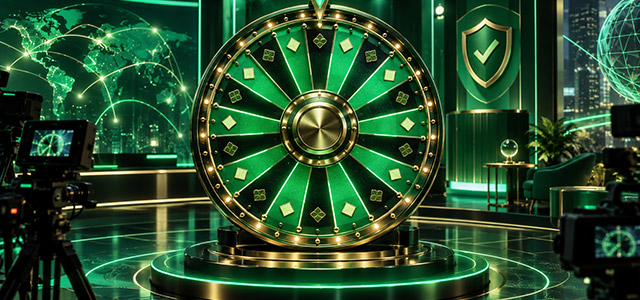
Vindral and Gaming Support Partner to Introduce GLI-Certified Green Wh...
Olga Li#GamingInnovations #SoftwareLab
Vindral and Gaming Support announced a technology partnership on 29 September 2026 to offer the first Green Wheel built on GLI-certified gaming hardware. The collaboration pairs Rotterdam-based equipment manufacturer Gaming Support with Swedish live video specialist Vindral, validating the certified physical equipment for use with Vindral’s V-Track Money Wheel system. Live casino hardware certification has increasingly become a significant barrier in studio production pipelines as operators demand regulated physical assets that can reliably support digitally enhanced game shows at scale. By combining GLI-validated hardware with real-time digital overlay technology, the agreement provides live studios with a certified physical foundation capable of hosting multiple branded wheel games from a single certified wheel structure.

In the world of slot mechanic: Link&Win - five card features and jackp...
Olga Li#GamingInnovations #SoftwareLab
Games Global and Stormcraft Studios announced the release of Immortal Romance ASSEMBL’EM on 30 September 2026, marking the latest extension of the long-running franchise Immortal Romance that originally debuted in 2011. Built on a 5×3 grid with 20 paylines, a 96% RTP, high volatility, and a maximum win potential of 5,000x, the slot introduces a new narrative character alongside the ASSEMBL’EM mechanic.
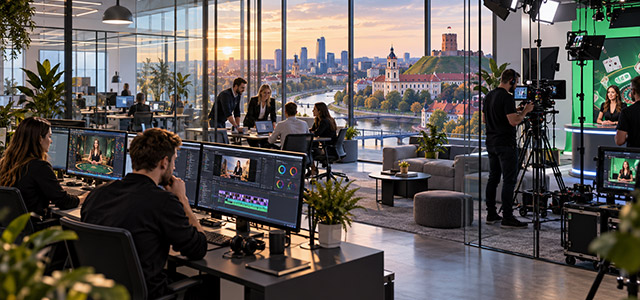
ICONIC21 Establishes New Production Hub and Regional Office in Vilnius
Olga LiLive casino content providers have accelerated studio expansion across Central and Eastern Europe as demand for dedicated and localised production capacity grows. Highlighting this trend, ICONIC21 announced on 1 September 2026 that it will open a new office and studio facility in Vilnius. In the local market context, the Lithuania Gaming Control Authority reported gross gambling revenue of €274.1 million in 2025, a 13% year-on-year increase. The upcoming facility will span more than 1,400 square metres across two full floors, combining studio space with administrative offices, while creating over 350 jobs.