A chargeback is a card-payment dispute process handled through the issuer and card system. It is distinct from a casino withdrawal or refund.
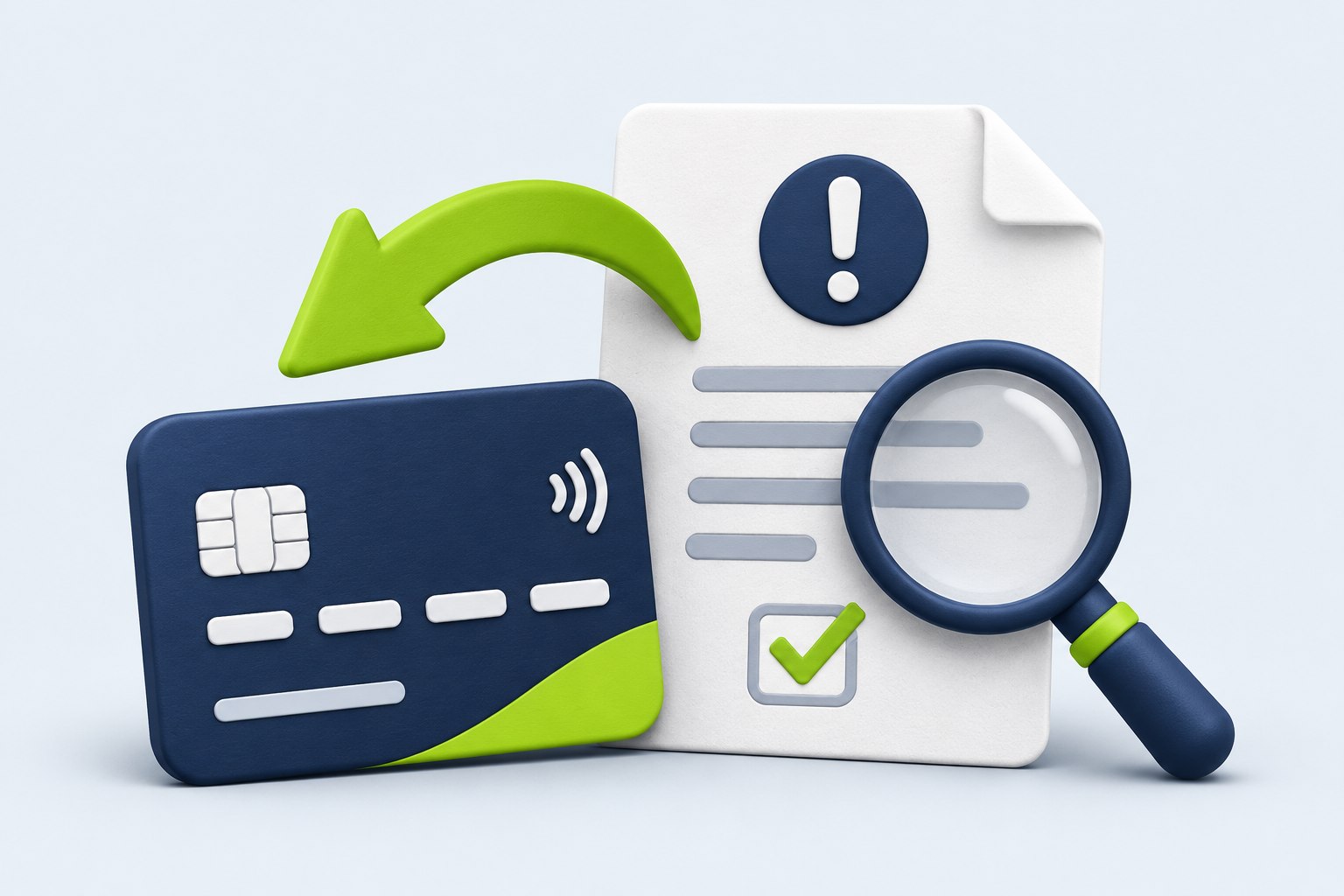
What a chargeback is
A chargeback is a card-payment dispute process through which a cardholder's issuing bank can challenge a transaction under the relevant network rules. It is not the same as asking a merchant for a refund or submitting a casino withdrawal. The grounds, evidence, deadlines and outcome depend on the payment, card scheme and jurisdiction. A dispute is assessed on its actual circumstances rather than granted simply because the customer wants the money back.
In gambling, this distinction is especially important. Losing money on authorized bets is not, by itself, evidence that the original card payment was unauthorized or incorrectly processed. Describing a valid transaction falsely can create serious problems. If there is a genuine concern, give the issuer an accurate account of what happened and let it identify the applicable dispute process and required evidence.
Situations that need investigation
Examples of issues that may warrant inquiry include a transaction the cardholder did not authorize, an apparent duplicate payment or an amount that differs from the agreed charge. A service or credit dispute can involve different grounds again. These examples do not establish that a chargeback will succeed. The issuer needs the specific facts, and the merchant may provide evidence responding to the claim.
First distinguish a pending card authorization from a completed charge. An authorization can temporarily reduce available funds without being a settled payment. A failed casino deposit can also require reconciliation between the operator and payment provider. Keep the bank record and casino transaction history so the same event is not mistakenly treated as two charges or as a completed deposit that never actually settled.
Chargeback, refund and withdrawal
A refund reverses or credits a merchant payment through the relevant process, usually with the merchant's involvement. A withdrawal pays eligible money from the casino account. A chargeback challenges a card transaction through the issuer. The mechanisms may interact, but they are not interchangeable labels. Asking for a withdrawal does not automatically open a card dispute, and opening a dispute does not guarantee payment of unrelated account winnings.
If a refund or withdrawal is already being investigated, explain that to the issuer and operator as appropriate. Do not seek duplicate recovery for the same money. A temporary credit during a dispute may later be reversed if the investigation does not support the claim. Treat the status as provisional unless the issuer confirms the outcome, and retain correspondence identifying what has been credited and why.
Evidence and time limits
Useful evidence can include the transaction date and amount, merchant descriptor, receipts, account history and relevant correspondence. Avoid sending more sensitive information than the official process requires. Contact the issuer through a trusted channel, especially if an unfamiliar transaction appears. Deadlines can be short and vary by claim type and jurisdiction, so obtain current instructions instead of relying on a generic casino guide.
For United States credit-card billing disputes, the Consumer Financial Protection Bureau explains specific procedures and timing for preserving certain rights. Those statutory procedures should not be assumed to describe every chargeback, debit-card dispute or international payment. The issuer's guidance and the applicable law matter. This glossary explanation identifies the concept; it cannot determine an individual customer's rights from an unexplained transaction alone. [1]
Account consequences and unresolved complaints
A casino may restrict an account while a disputed payment is investigated, particularly where the source of funds or ownership is unclear. That does not settle whether the dispute is valid. Preserve the balance and transaction records, and keep payment issues separate from unrelated allegations about game fairness. Use accurate dates and amounts when requesting a formal explanation.
If the underlying problem concerns a delayed withdrawal or bonus disagreement, pursue the operator's complaint process and the appropriate external route rather than assuming a chargeback is the correct remedy. The term describes a structured card-payment dispute with evidence and rules. It should never be presented as a method for undoing ordinary gambling losses, bypassing account terms or guaranteeing recovery from an operator that has failed to pay.